
interviste
Cocorosie Trasfigurare il dolore
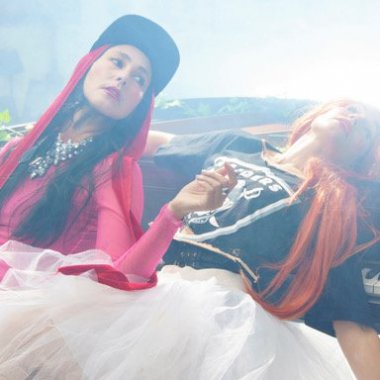
Abbiamo rivolto alle CocoRosie, attualmente in Italia (e ci torneranno per tre date estive), alcune domande sul loro ultimo album, Little Death Wishes, sulla malinconia che filtra tra sonorita' sognanti, dolci e giocattolose, sul pensiero della morte, appunto, che viene trasfigurato da loro in bellezza, e tanto altro.
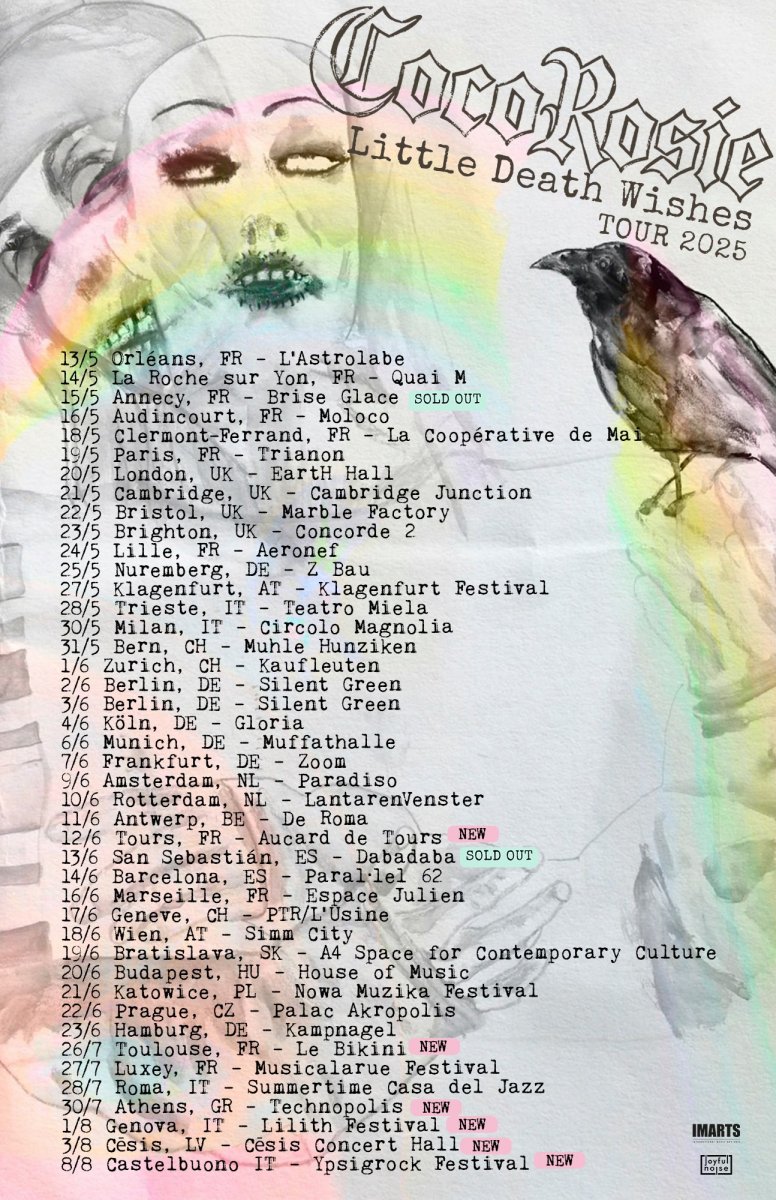
Le CocoRosie, ovvero Bianca e Sierra Casady, hanno pubblicato a marzo il loro ottavo album, Little Death Wishes, il primo per Joyful Noise, un disco in cui trasfigurano i momenti dolorosi, che plasmano chi li vive, e fanno i conti con l’esperienza universale della morte, anche per celebrare con il ricordo chi non c’è più. E trasformano la sofferenza e i pensieri di morte con sonorità sognanti, eteree, giocattolose, oppure con l’ironia.In questo momento il duo è in Italia: ieri hanno suonato a Trieste, mentre stasera si esibiranno al Circolo Magnolia di Milano. Torneranno poi nel nostro Paese per altre tre date:
28/07 ROMA Casa del Jazz
01/08 GENOVA Villa Durazzo Bombrini
08/08 CASTELBUONO Ypsigrock Festival
Ne abbiamo approfittato per rivolgere alle CocoRosie alcune domande sul loro ultimo album, (in cui sono presenti anche come ospiti Chance the Rapper e Greg Saunier dei Deerhoof). sulle idee espresse in queste canzoni, su cosa le ha ispirate, sulle loro esperienze extramusicali e tanto altro.
Mescalina: Il vostro ultimo disco nei temi appare piuttosto oscuro, a partire dal titolo, Little Death Wishes. Si parla più volte di morte, anche se le sonorità hanno un'ambigua apparenza trasognata ed eterea. Penso in questo senso, tra le varie canzoni, anche alla commovente Unbroken, il pezzo di chiusura, molto delicato e drammatico ("Imagine I was never really broken / Free spirit, loud, maybe soft spoken [...] Thought death might be / The only way home"). Come mai avete scelto appunto di parlare di questi argomenti?
Cocorosie: Siamo rimaste profondamente colpite dalla morte di nostra madre qualche anno fa. Alla fine, quell'esperienza ci ha fatto sentire meno spaventate dalla morte e ci ha anche fatto capire quanto siamo estranei, nella cultura occidentale, al tema della morte. È l'esperienza più universale che tutti gli esseri umani sperimentano, eppure cerchiamo di evitare di affrontarla. Cantare delle persone care che non ci sono più sembra anche un modo per stare loro vicine e celebrare la loro esistenza.
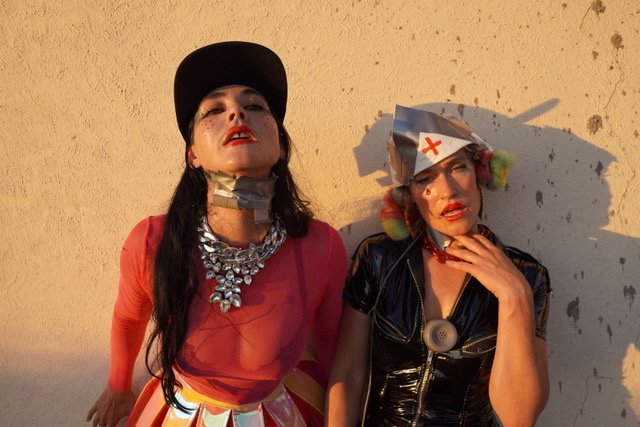
Foto di Ginger Dunnill
Mescalina: Di base le sonorità dell'album sono giocattolose e dolci, ma sembra sempre filtrare una malinconia di fondo, a causa anche dei temi trattati, che dipingono globalmente un quadro piuttosto desolato: siete d'accordo? Penso ad es. a una storia drammatica come quella di Yesterday, o a Pushing Daisies...
Cocorosie: Tendiamo a trovare forza nell'esprimere il dolore. Sentiamo che i personaggi delle storie di questo disco non sono vittime, ma sono stati plasmati dai difficili percorsi che hanno affrontato, ma dall'altra parte c'è celebrazione e liberazione.
Mescalina: Paper Boat sembra salutare come un sollievo la fine di una storia...Cosa ci raccontate su questo pezzo?
Cocorosie: Questa canzone è allo stesso tempo arrabbiata e divertente. La voce principale parla male del suo ex marito, cosa che accade molte volte nel disco. È anche teatrale e ridicola, che è un modo per trasformare il dolore.
Mescalina: Per restare sul tema ancora delle storie difficili, i vostri genitori divorziarono quando eravate bambine e avete vissuto anche periodi distanti: in Least I Have You, che suona piuttosto accorata, ci sono questi versi:
"Momma had to be man of the house
Papa played mom like cat plays mouse
She had to do what she had to do
She threw him out like an old left shoe".
Dopo tanti anni, che ricordo avete quindi di quegli anni complicati, quanto sono ancora vivi nella vostra memoria? E invece in questi ultimi vent'anni si è evoluto in qualche modo il vostro rapporto tra sorelle?
Cocorosie: Molti dei ricordi difficili sono i più vividi. E trasformandoli in canzoni, rimangono vivi, ma iniziano a trasformarsi in qualcosa di meraviglioso.
Mescalina: Nell'album ci sono Chance the Rapper (in Girl in Town) e Greg Saunier dei Deerhoof (batteria aggiuntiva in Wait for Me e Least I Have You): come avete scelto di coinvolgerli in questo album?
Cocorosie: Abbiamo sempre desiderato che ci fosse la possibilità di collaborare con Greg fin dalla prima volta che l'abbiamo visto suonare la batteria. Ci ha davvero entusiasmato. Avevamo appena firmato con la stessa etichetta e abbiamo avuto l'opportunità di conoscerlo, quindi, lo abbiamo invitato a partecipare a questo disco. Chance the Rapper invece ci ha contattate e abbiamo realizzato alcune canzoni insieme un po' di tempo fa. Questa canzone in particolare, che abbiamo fatto con lui, sembrava perfetta per questo progetto.
Mescalina: No Need For Money (when you’re dead) propone in modo molto diretto una critica al materialismo e alla sua inutilità: com'è nata questa canzone?
Cocorosie: La canzone è nata in modo molto spontaneo, prendendo spunto da un verso di una mia poesia. Anche se è una canzone molto breve, il messaggio è molto importante per noi. Soprattutto se pensiamo alla distruzione del nostro ambiente e del nostro habitat. Il denaro sarà completamente inutile quando tutto sarà distrutto.
Mescalina: Oggi quali ascolti e artisti pensate vi abbiano influenzato di più nei vostri ultimi brani, in cui ci sono anche vari momenti hip-hop e soul? Oppure ormai la vostra creatività, dopo una lunga carriera, è completamente autonomo e non è mai influenzata da ascolti e passioni recenti?
Cocorosie: Mi sembra che siamo ancora influenzate dalla musica della nostra giovinezza, che è molto hip-hop. Per quanto riguarda l'ascolto di nuova musica, lo facciamo raramente o più probabilmente ascoltiamo musica medievale come Ildegarda di Bingen, per esempio.
Mescalina: Bianca ha allestito mostre in tutto il mondo come artista visiva e ha pubblicato il suo primo libro di poesie, Au bord du ciel: Heaven bound. Sierra invece ha collaborato come compositrice e musicista con l'Orchestra Sinfonica di Amsterdam, l'ICA di Londra e la Sydney Opera House e ha creato Soul Life, un'opera messa in scena al Donau Festival di Krems. Come pensate che queste altre esperienze possano influenzare il percorso delle Cocorosie?
Cocorosie: Penso che queste altre esperienze artistiche abbiano semplicemente arricchito la nostra personalità sul palco e il nostro senso del corpo nello spazio, ecc.; in generale, penso che ci stiamo orientando di più verso il teatro e la danza e stiamo cercando di trovare un modo per fonderli nei nostri spettacoli live.
Mescalina: Dal vostro album di debutto, La Maison de Mon Rêve, sono passati più di vent'anni: ci sono stati cambiamenti nel mondo della musica che vi hanno toccato in questo arco temporale, o il fatto di collocarvi istintivamente nell'anti-pop vi ha reso in qualche modo immuni al cambiamento?
Cocorosie: Penso che siamo intrinsecamente anti-pop e saremo sempre artiste outsider, anche se giochiamo con la musica pop e i riferimenti pop nel nostro lavoro. Ci siamo sempre sentite estranee rispetto al mainstream e a ciò che accade nel mondo.
Mescalina: Nel vostro tour avete programmato cinque date in Italia: com’è suonare nel nostro Paese? Com’è il pubblico italiano?
Cocorosie: Il pubblico italiano è meravigliosamente vivo, allegro e musicale. Amiamo l'Italia.
Mescalina: Un aggettivo per descrivere i vostri concerti.
Cocorosie: Caleidoscopici.
Ecco l’intervista in inglese.
Mescalina: Your last album seems quite dark, starting from the title, Little Death Wishes. Death is mentioned several times in those songs, even if the sounds have an ambiguous dreamy and ethereal appearance. In this case I think, among the various songs, for example of the moving Unbroken, the closing track, a very delicate and dramatic song ("Imagine I was never really broken / Free spirit, loud, maybe soft spoken [...] Thought death might be / The only way home"). Why did you choose to talk about these topics?
Cocorosie: We were very impacted by our mother’s death some years ago. Ultimately the experience made us less afraid of death, and also made us realize how estranged we are in western culture from the subject of death. It’s the most universal thing all humans experience yet we tried to avoid looking at it. Singing about loved ones who have passed also feels like a way of staying close and celebrating their existence.
Mescalina: In this record the sound is often toylike and sweet, but an underlying melancholy always seems to filter through, also due to the themes covered, which overall paint a rather desolate picture: do you agree? I think for example of a dramatic story like the one in Yesterday, or in Pushing Daisies...
Cocorosie: We tend to find power in expressing pain. We feel the characters in the stories of this record are not victims, but they have been shaped by the difficult journeys they have endured, but on the other side of it, there is celebration and liberation.
Mescalina: Paper Boat seems to greet the end of a story as a relief... What can you tell us about this song?
Cocorosie: This song is both angry and funny. The lead singer is talking trash about her ex-husband, which occurs many times on the record. It’s also theatrical and silly, which is a way of kind of transmuting the pain.
Mescalina: To stay on the subject of difficult stories, your parents divorced when you were kids and you also lived far from each other for a long period; in Least I Have You, which sounds quite heartfelt, there are these lines:
"Momma had to be man of the house
Papa played mom like cat plays mouse
She had to do what she had to do
She threw him out like an old left shoe".
After so many years, what memories do you have of those complicated years of your life, how much are they still alive in your memory? And instead, in these last twenty years did your relationship between sisters evolve in some way?
Cocorosie: A lot of the difficult memories are the most vivid. And turning them into songs, keep also alive but they start to mutate into something beautiful.
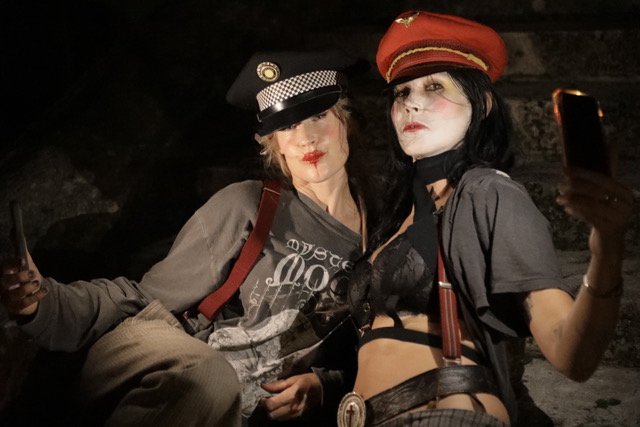
Foto di Ginger Dunnill
Mescalina: The album features Chance the Rapper (in Girl in Town) and Greg Saunier from Deerhoof (additional drums in Wait for Me and Least I Have You): how did you choose to involve them in this record?
Cocorosie: We’ve always wanted an opportunity to collaborate with Greg the first time we saw him play drums. It really blew us away. We just signed to the same label and had the opportunity to connect with him so we invited him onto this record. Chance the rapper got in touch with us and we made a few songs together a while back. This particular song that we did with him felt like it belonged.
Mescalina: No Need For Money (when you’re dead) offers a very direct criticism of materialism and its uselessness: how did this song come about?
Cocorosie: The song was very spontaneous grabbing from a line from one of my poems. Even though it’s a very short song, the message feels very important for us. Especially thinking about the destruction of our ecology and habitat. Money will be completely useless when everything is destroyed.
Mescalina: What kind of music and which artists do you think influenced you the most in your last songs, which also include various hip-hop and soul moments? Or is your creativity now, after a long career, completely autonomous and never influenced by recent listening and passions?
Cocorosie: I feel like we are still influenced by the music from our youth, which is very much hip-hop. In terms of listening to new music, we rarely do it or more likely to listen to medieval music like Hildegard, for example.
Mescalina: Bianca set up exhibitions all over the world as a visual artist and published her first book of poems, Au bord du ciel: Heaven bound. Sierra, on the other hand, collaborated as a composer and musician with the Amsterdam Symphony Orchestra, the ICA in London and the Sydney Opera House and created Soul Life, an opera staged at the Donau Festival in Krems. How do you think these other experiences have influenced the path of Cocorosie?
Cocorosie: I think these other artistic experiences have just enriched our persona on stage and our sense of the body in space, etc. Generally, I think we’re leaning more towards theater and dance and we’re trying to find a way to blend that into our current live show.
Mescalina: More than twenty years passed since your debut album, La Maison de Mon Rêve: were there changes in the world of music that affected you in this period, or did the fact of instinctively placing yourself in anti-pop make you somehow immune from changing?
Cocorosie: I think we are intrinsically anti-pop and will always be outsider artists even though we play with pop music and pop references in our work. We’ve always felt estranged from the main stream and what’s going on in the world.
Mescalina: You have five tour dates planned in Italy: how is like playing in our country? What is the Italian audience like?
Cocorosie: The Italian audience is wonderfully alive, happy and musical. We love Italy.
Mescalina: An adjective to describe your concerts.
Cocorosie: Kaleidoscopic.
Si ringrazia INTERNATIONAL MUSIC AND ARTS
Contemporary music dept. - international division
www.internationalmusic.it
Facebook: www.facebook.com/InternationalMusicAndArts/
Instagram: www.instagram.com/international_music_and_arts/
CocoRosie
https://www.cocorosiemusic.com/
https://www.facebook.com/CocoRosie#
https://www.instagram.com/cocorosie_official
https://open.spotify.com/intl-it/artist/05fo024EFotg9songSENOZ
https://www.youtube.com/channel/UC7jSCj67GB8OFGEm_hwR2DQ
https://cocorosiemusic.bandcamp.com/album/little-death-wishes
(La foto principale, che apre l'articolo, è di Kate Russell).


