interviste
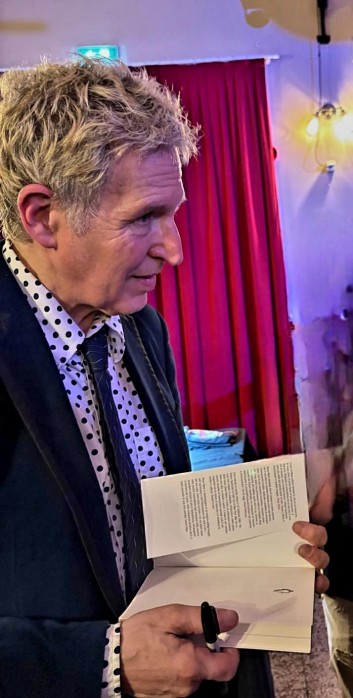
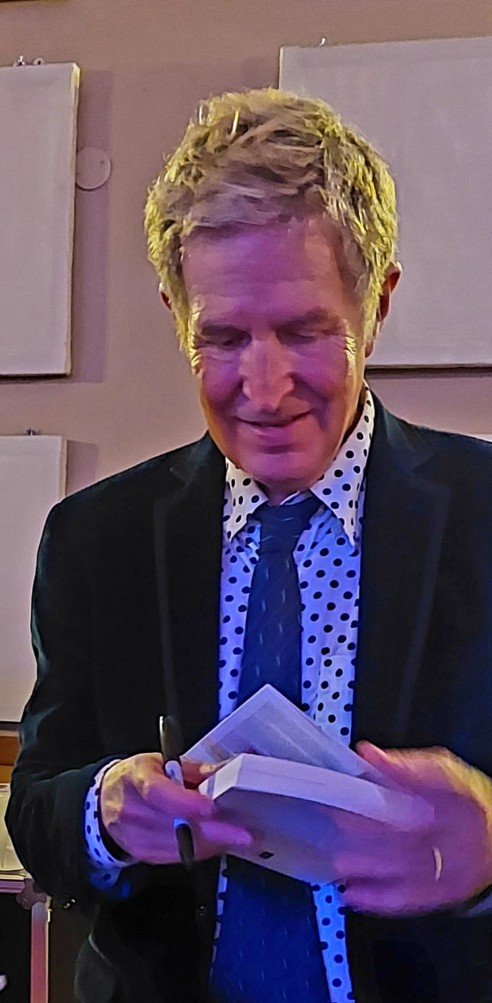
Steve Wynn Non lo direbbe se non fosse vero: Steve Wynn parla con noi del suo memoir
M. Innanzitutto grazie per questo tempo che ci dedichi! Parliamo un po' del tuo memoir. Il titolo I Wouldn’t Say It If It Wasn’t True è sorprendentemente schietto. Cosa ti ha spinto a scegliere proprio questa frase come titolo del libro?
SW: È una frase tratta da una delle mie canzoni, “Make It Up to You.” In qualche modo mi è rimasta in testa mentre lavoravo al libro, e sapevo già da un po’ che quello sarebbe stato il titolo. Suona bene, scorre facilmente e, beh, rappresenta proprio quello che volevo che fosse il libro: sincero e diretto. I titoli sono strani; a volte è come estrarre un dente, altre volte ti vengono in pochi secondi. Inutile dire che preferisco il secondo caso...
M. Ripercorrendo la tua vita sulla pagina, c’è stato un capitolo o un ricordo che hai trovato particolarmente difficile da affrontare, e perché?
SW: Sapevo che il capitolo sulla registrazione di Medicine Show sarebbe stato duro. Voglio dire, è stato un momento difficile della mia vita, quindi immaginavo sarebbe stato altrettanto difficile nel libro. Non volevo tirarmi indietro nell’attribuire responsabilità per ciò che è andato storto durante quella maratona in studio, ma neanche evitare di assumermi la mia parte, cercando allo stesso tempo di mostrare come alla fine abbiamo trovato la strada giusta e fatto un album che mi piace ancora oggi. Ma non è stato affatto divertente realizzarlo.
M. Le memorie richiedono spesso un'autocensura spietata. Quali criteri hai usato per decidere quali episodi “raccontavano la verità” e quali lasciare fuori, se ce ne sono stati?
SW: Molte persone di fiducia hanno letto il libro mentre era in lavorazione e anche una volta finito. Per lo più persone che erano presenti all'epoca—Dennis Duck, Vicki Peterson, Peter Buck, gente così. Ma ho anche avuto un ottimo editor, Tom Seabrook, il mio editore alla Jawbone Press nel Regno Unito, e per caso ho ricevuto molto aiuto dal mio amico Ira Kaplan. Gli avevo chiesto una citazione per la quarta di copertina e lui ha finito per fare ciò che faceva professionalmente prima di Yo La Tengo: correzione di bozze con competenza e conoscenza dell’argomento. È stato un enorme aiuto ed è stato l’ultimo a leggere il libro prima di sapere che era finito.
M. Il processo di scrittura ha cambiato il tuo rapporto con figure importanti della tua vita, personali o professionali?
SW: Non proprio. Ci sono persone, Karl Precoda in particolare, che non fanno più parte della mia vita e che forse leggeranno o forse no. Probabilmente non lo saprò mai. Mi ha fatto piacere che a Kendra Smith sia piaciuto. È una parte importante del libro ed è ancora un’amica, anche se non ci vediamo o sentiamo spesso. Questo ha significato molto per me.
M. Quali esperienze della tua giovinezza influenzano oggi il tuo modo di creare spazi intimi e narrativi?
SW: Beh, ero figlio unico e un po’ solitario, quindi sono sicuro che questo mi abbia aiutato come scrittore e sognatore in generale. Ancora oggi ho bisogno di molto tempo da solo, anche se ho una moglie meravigliosa e ottimi amici e ho scelto una vita, in tour con una band, dove raramente sei a più di pochi centimetri dai tuoi compagni di lavoro. Ma le lunghe passeggiate sono le mie alleate, e quelle lunghe passeggiate hanno aiutato a scrivere questo libro, per non parlare della maggior parte delle mie canzoni.
M . Quali valori vuoi trasmettere particolarmente alla prossima generazione di artisti e musicisti?
SW: Ah, cavolo...se avessi dei consigli da dare, il consiglio successivo sarebbe di ignorare tutto quello che ho appena detto. Devi solo trovare la tua strada. L’unico consiglio che di solito do ai giovani musicisti è questo: hai sempre ragione. Se pensi che una canzone, un arrangiamento, una scelta musicale o una decisione in studio siano giusti, se lo credi onestamente nella tua anima e nel tuo senso più profondo di gusto ed estetica, allora vai avanti. Alla fine della giornata, sei tu quello che ci deve convivere. Fai i tuoi errori...saranno i migliori e i più istruttivi.
M. In tutto il libro, i temi della reinvenzione e della resilienza tornano spesso. Che consiglio pratico daresti a qualcuno che sta affrontando delle difficoltà?
SW: Penso che la cosa migliore sia andare avanti, continuare a provare cose, scrivere canzoni, fare concerti, dire sì ogni volta che è possibile. Più fai, più impari. E idealmente, fare musica, scrivere canzoni e suonare dal vivo è ciò che ami, quindi...perché non farlo il più possibile?
M. Guardando al futuro, hai fissato per te stesso un obiettivo personale o creativo che i lettori non troveranno tra le pagine del libro? Ci sarà una seconda parte della tua storia?
SW: Oh sì! scriverò sicuramente un altro libro. Sono quasi alla fine di 100 spettacoli in tutto il mondo fatti per il libro e mi sono divertito molto con questa combinazione di lettura, canzoni e narrazione. Ha funzionato bene e sembra calzarmi a pennello, quindi vorrei farne di più. È una motivazione per un altro libro, se non altro. E, visto che questo libro finisce nel 1988, c’è ancora molto da raccontare.
M. Ho trovato il tuo spettacolo ricco di ispirazioni, con un mix affascinante di canzoni e narrazione. Era quello il tuo obiettivo?
SW: Sì. Volevo solo offrire una serata d’intrattenimento, come andare a teatro o a uno spettacolo comico. A volte un concerto implica una sospensione dell’incredulità: questi tizi saliranno su una piattaforma più alta di me, e suoneranno e canteranno per 90 minuti, e io starò lì a prestar loro attenzione...
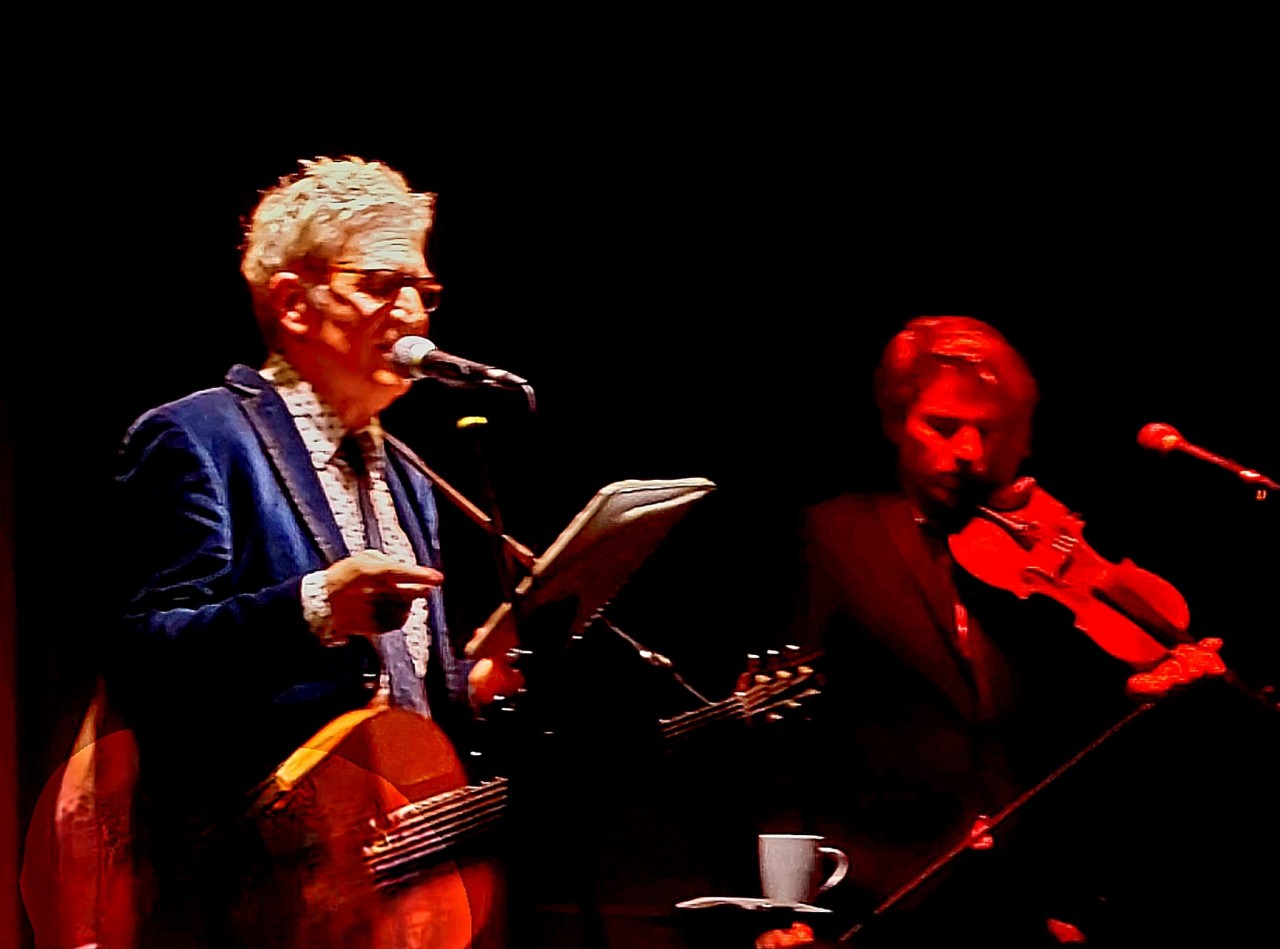
(FOTO DI LAURA BIANCHI - CONCERTO DI MILANO )
ENGLISH TRANSLATION
1.The title I Wouldn’t Say It If It Wasn’t True is strikingly candid. What compelled you to choose that exact phrase as the book’s title?
SW: It’s a line from one of my songs—“Make It Up to You.” Somehow it just stuck in my head while I was working on the book and I know for quite a while that would be the title. It rolls off the tongue nice and easy and, well, it’s what I meant the book to be—candid and direct. Titles are funny—sometimes they’re like pulling teeth, other times they come in seconds. Needless to say, I prefer the latter.
2. In revisiting your life on the page, was there a single chapter or memory you found hardest to confront—and why?
SW: I knew the chapter about recording Medicine Show would be a tough one. I mean, it was a tough chapter in my life so I figured it would be the same in the book. I wanted to not be shy about casting blame for the things that went wrong during that marathon session but also not hesitant about accepting it either while also showing how we eventually found our way and made an album that I quite like to this day. But it was really no fun to make.
3. Memoirs often require ruthless self‑editing. What criteria did you use to decide which episodes “served the truth” and which you left out, if there are some?
SW: I had a lot of trusted people lay eyes on the book while it was in progress and when it was finished. Mostly people who were there with me—Dennis Duck, Vicki Peterson, Peter Buck, people like that. But I also had a great editor, Tom Seabrook, my publisher at Jawbone Press in the UK and by chance, got a lot of help from my friend Ira Kaplan. I asked him for a quote for the back cover and he ended up doing what he had done professionally before the days of Yo La Tengo—copy editing with expertise and knowledge of the subject. He was a huge help and the last eyes the book passed through before I knew it was done.
4. Did the process of writing change your relationship with any key figures in your life—personal or professional?
SW: Not really. There are people—Karl Precoda in particular—who are no longer in my life and whom may or may not read it. I’ll probably never know. I was glad that Kendra Smith seemed to like it. She’s a big part of the book and still a friend although we don’t see each other or communicate often. That meant a lot to me.
5. Which experiences from your youth days inform your approach to curating intimate, story‑driven spaces?
SW: Well, I was an only child and a bit of a loner so I’m sure that helped me as a writer and as a daydreamer in general. I still find I need a lot of time alone even though I have a wonderful wife and great friends and have chosen a life—touring with a band—where you’re rarely more than a few inches away from your workmates. But long walks are my friend—and those long walks helped to write this book, not to mention most of my songs.
6. What values are you most keen to pass on to the next generation of artists and musicians?
SW: Ah, hell—if I had advice to give, the next bit of advice would be to ignore everything I just said. You just have to find your own way. The one bit of advice i usually give to young musicians is this: You are always right. If you think that a song or an arrangement or a musical direction choice or decision in the studio is right, if you honestly believe that in your soul and deepest sense of taste and aesthetic, then go with it. At the end of the day, your the one who has to live with it. Make your own mistakes—they’ll be the best and most instructive ones.
7. Throughout the memoir, themes of reinvention and resilience recur. What concrete advice would you give to someone facing some issues?
SW: I think it’s best to keep moving forward, keep trying things, writing songs, doing shows, saying yes whenever possible. The more you do, the more you learn. And ideally making music and writing songs and playing shows is what you love so why not do as much as possible.
8 As you look to the future, what personal or creative goal have you set for yourself that readers won’t find in the pages of the memoir? Is there a second part of your story?
SW: Oh yes—I will most certainly be writing another book. I’m almost done with 100 shows around the world that I’ve done for the book and I’ve had such a good time with the combination of reading, songs and storytelling. It’s worked well and seems to suit me so I’d like to do more. That’s motivation for another book if nothing else. And since this books ends in 1988, there’s a lot more to tell.
9. I found your gig very inspiring, with a fascinating mix of songs and storytelling. Was that your goal?
SW: Yes. I just wanted a night of entertainment, like going to a play or a night of stand up comedy. Sometimes a concert involves a suspension of disbelief—these guys are going to stand on a platform higher up than me and then play and sing at me for 90 minutes and I’m going to pay attention..